Butterfly House to Become ‘Dakota Aquarium’

Congratulations to the Sioux Falls Butterfly House and Aquarium, which just announced that it will triple in size and be renamed the Dakota Aquarium! (Don’t worry, the butterflies are staying.) The growth and other changes are the result of a massive $7.5 million fundraising campaign, which is halfway over.

The expansion will grow the facility to 27,000 square feet and add more exhibits, like some featuring octopus, stingrays, and a coral reef lagoon.

Expansion work is expected to start in 2021. The Butterfly House celebrated its one millionth visitor in September 2018.

Butterfly House to triple in size, become ‘Dakota Aquarium’ with $7.5M campaign (Argus Leader)

DSU Student Uses Instant Pot for Science

Brilliant! Vaille Swenson, a senior biology major at Dakota State University, figured out that an Instant Pot (which costs about $150) is as good at killing microbes and sterilizing equipment as an industrial autoclave (which costs thousands of dollars). She experimented with different microbes and different pressure cookers and published her results in the Public Library of Science.

Dakota State University student finds scientific use for Instant Pot (Argus Leader)

Assessment and verification of commercially available pressure cookers for laboratory sterilization (PLoS ONE)

Instant Pot inspires scientific research for Swenson (DSU)

Happy Birthday, John H. Lawrence!

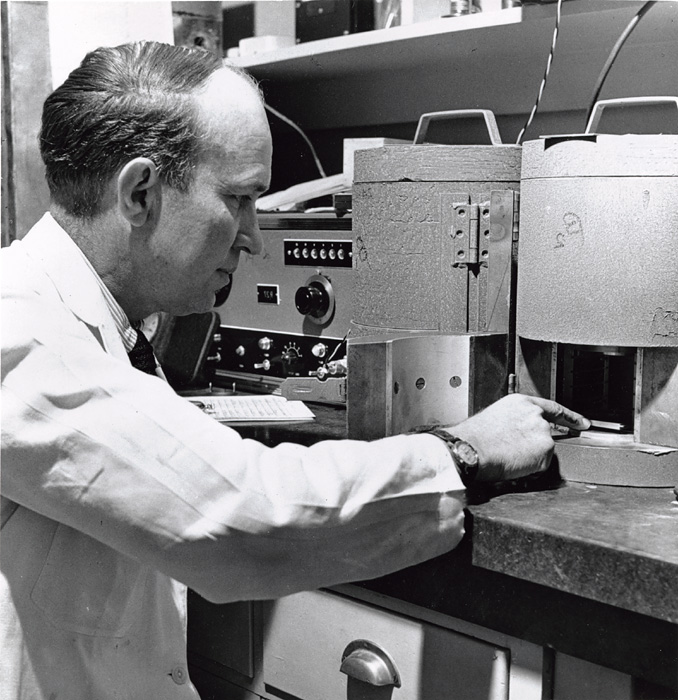
January 7 marked the birthday of John H. Lawrence (January 7, 1904–September 7, 1991). John, born in Canton, South Dakota, is the slightly less famous Lawrence sibling (his brother Ernest won the Nobel Prize in Physics for inventing the cyclotron), but his contributions to nuclear medicine were enormous. His work with the Radiation Laboratory and Donner Laboratory at the University of California, Berkeley, paved the way for modern nuclear diagnostic tools and treatments for cancer and other blood and hormone disorders. His lab also discovered that xenon gas makes a good anesthetic. John survived the sinking of the SS Athenia, a transatlantic passenger liner torpedoed by a German submarine in September 1939.

The University of South Dakota awarded John an honorary degree and dedicated a plaque to him at the Akeley-Lawrence Science Center in 2007.

About John Lawrence (Berkeley Lab)

John H. Lawrence, 87; Led in Radiation Research (New York Times)

Donner Laboratory: The Birthplace of Nuclear Medicine (The Journal of Nuclear Medicine)

John H. Lawrence (Atomic Heritage Foundation)

SDSU Professor Named President of a National Biology Organization

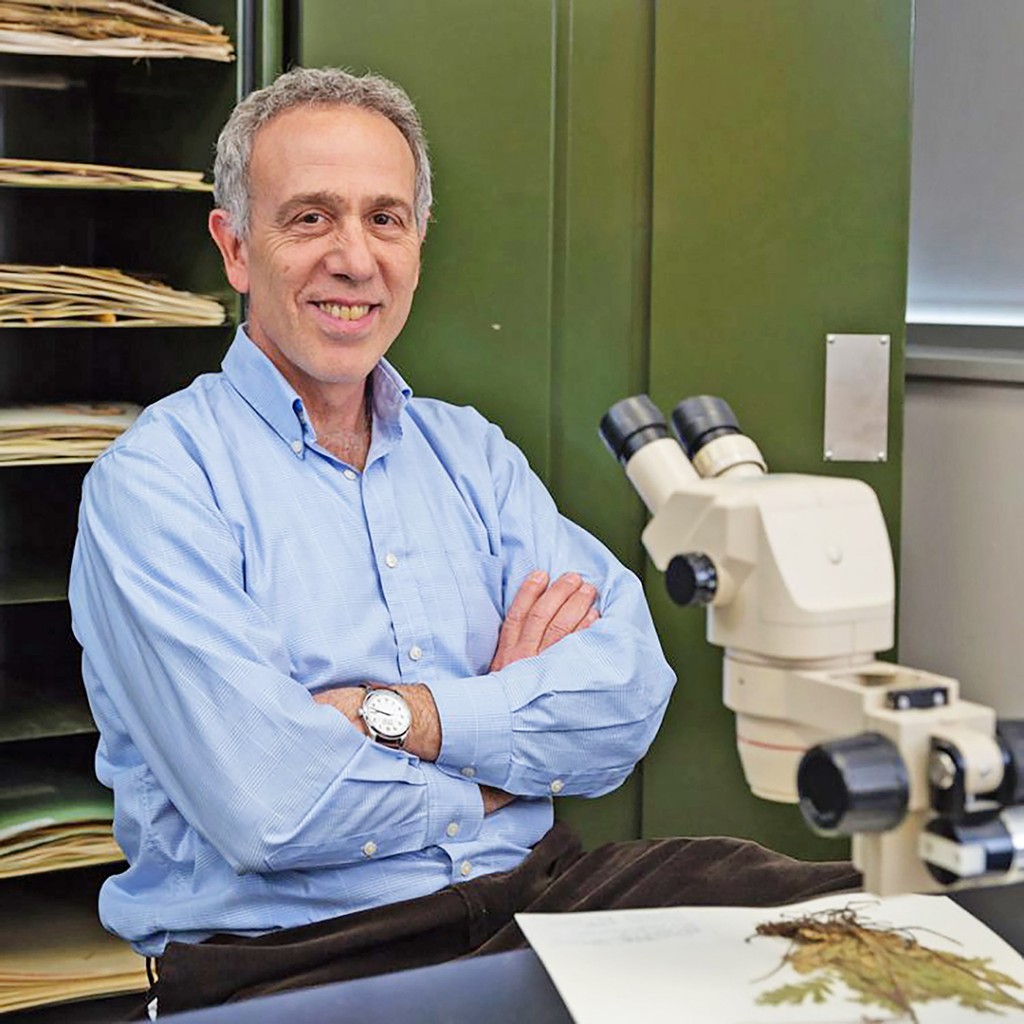
Congratulations to South Dakota State University Professor Charles B. Fenster of the Department of Biology and Microbiology, who just became the president of the American Institute of Biological Sciences!

Based on his experiences at SDSU, Fenster hopes to “bring attention to particular issues and challenges that face the Northern Great Plains, in particular, those related to food security, human health, and maintenance of biological diversity.”

AIBS was founded in 1947 as part of the National Academy of Science and became an independent, member-governed organization in the 1950s. The organization, based in McLean, VA, has more than 100 member organizations and represents 150,000 to 200,000 scientists nationwide.

Fenster named president of American Institute of Biological Sciences (SDSU)

Happy Birthday, Niels Ebbesen Hansen!

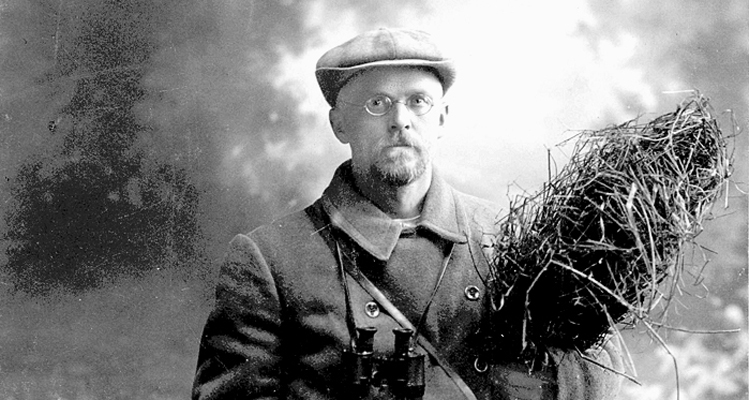
That’s the face of a guy who loves plants

Happy birthday (on Jan. 4) to Niels Ebbesen Hansen, a horticulturist, botanist, and agricultural explorer* who spent his career with South Dakota State University and the USDA gathering grasses, fruits, and other plants from Europe and Asia and crossbreeding them with local varieties.

Hansen, who immigrated to the United States as a child with his family from Denmark, developed several hybrid crops that would survive in the difficult climate of the Upper Midwest. He was a member of the International Jury of Horticulture at the World’s Fair in St. Louis in 1904 and a United States delegate to the First International Congress of Genetics in London in 1906. His papers and a statue in his honor can be found at SDSU. (He also penned the school song “The Yellow and Blue.”)

Next time you eat a home-grown South Dakota fruit, you might need to thank ol’ Niels.

*Is “agricultural explorer” the best job title or what?

Firmly Planted in South Dakota (South Dakota Magazine)

Niels Ebbesen Hansen (Wikipedia)

Niels Ebbesen Hansen (South Dakota Historical Society)

Sioux Falls Teen to Host Mythbusters Spinoff

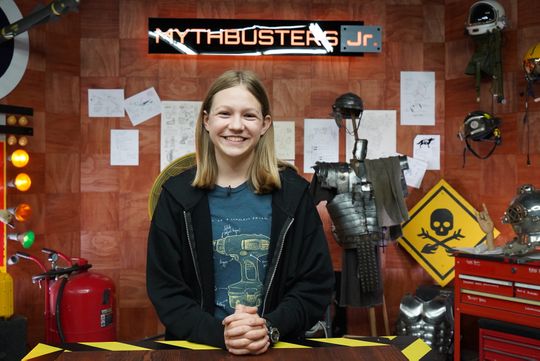
(Photo credit: Don Feria)

How awesome is this? Allie Weber, a Sioux Falls eighth-grader and already an accomplished inventor (she built a robot when she was six), is one of the young hosts of the upcoming season of Mythbusters Jr. with Adam Savage on the Science Channel. On the show, Weber and five other teens work in teams on projects involving duct tape, explosives, and more. She spent the summer filming the episodes in California.

“I feel like when people see the finished products of innovation or scientific accomplishments, they don’t see the process behind it and all the trial and error that went into it,” Weber said. “When they try to do something like that themselves, they get discouraged easily. But that isn’t the case, and not everything is black and white—you really need to struggle through those problems to come up with an accomplishment.”

The show will air on the Science Channel on Jan. 2.

Sioux Falls teen lands MythBusters Jr. gig (KSFY)
Sioux Falls teen, inventor hosts Mythbusters spin off (Argus Leader)
Allie Weber (Twitter)

SDPB Documentary About South Dakota State Parks

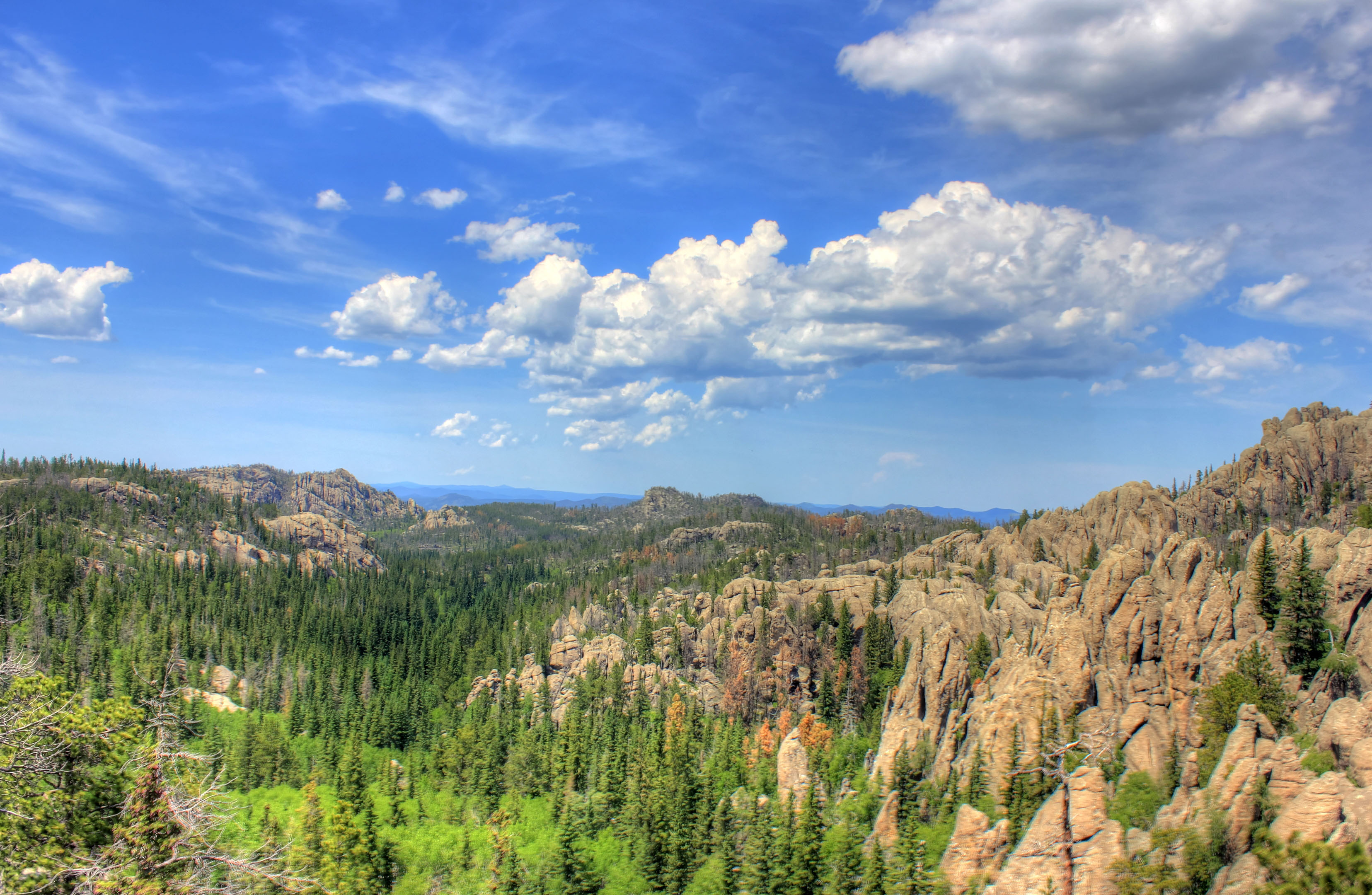
In 1919, South Dakota’s state legislature voted to transform Custer State Forest into Custer State Park, making it the state’s first and largest state park. In honor of the anniversary, SDPB will air a new documentary, Images of the Past: A Century of South Dakota State Parks. It will premiere on Thursday, Jan. 3, at 8:30pm (7:30 mountain) on SDPB1.

IMAGES OF THE PAST: A Century of South Dakota State Parks (SDPB)

Custer State Park History (SD Game, Fish & Parks)

January 2019 issue of SDPB Magazine (SDPB)

News Roundup

Darren Clabo, a scientist at the South Dakota School of Mines & Technology in Rapid City, is working with a national team to create the Fire Risk Estimation (known as FiRE) 2 tool, which uses satellite technology to alert fire managers when fuels are abnormally dry. It analyzes drought conditions, high-resolution fuel conditions, and precipitation conditions to produce a fire-danger assessment map that land managers and firefighters can monitor daily. (Rapid City Journal)

The Smithfield Foods meatpacking plant in Sioux Falls was fined more than $53,000 by the South Dakota Department of Environment and Natural Resources for violating its surface water discharge permit. The plant allowed too much ammonia to be discharged into the Big Sioux River and had two daily maximum fecal coliform violations and one daily maximum total suspended solids violation. (Argus Leader)

Sydney Bormann, a human biology major at South Dakota State University, received a summer American Society of Microbiology Undergraduate Research Fellowship to support her research on gut microbiota, with the goal of using gut bacteria to fight the growth of Salmonella. (Mitchell Republic)

Kory Anderson rebuilt an original Case 150 steam engine, the world’s largest steam engine, from the original boiler and debuted it at an Andover show. The tractor is 15 feet wide, 14 feet tall, and about 28 feet long, and it weighs about 75,000 pounds fully loaded. “The road locomotive was basically lost in history. I mean, none had survived over the last 100 years. All the nine that were built were eventually scrapped and so it was kind of lost in history until we recreated it and brought it back to life,” he said. (Rapid City Journal)

The University of South Dakota and the South Dakota School of Mines & Technology will soon offer an undergraduate degree in biomedical engineering. (University of South Dakota)

The first of two large arrays of powerful light sensors that will be used in dark matter research arrived at the Sanford Underground Research Facility from Brown University. The equipment will be used to detect interactions of weakly interacting massive particles, thought to be a particle of dark matter. This detector will be the most sensitive ever built, 100 times more sensitive than the previous equipment used. (Brown University)

Two University of South Dakota physics professors, Guojian Wang and Dongming Mei, have been awarded a patent for a method of growing high-purity germanium crystals, which can be used in radiation or dark matter detectors. Their method has the potential to be used in smaller laboratory settings, making it more accessible to researchers. (University of South Dakota)

The Davis-Bahcall Scholar Program, a summer program in physics and engineering for high school seniors and college freshmen, is seeking applicants. The deadline is January 11, 2019. (South Dakota Department of Education)

Brookings Student Wins Top Science Fair Prize

It’s fitting that the first post on SoDak Does Science is about the inspiration for this site: Kashfia Rahman, a student from Brookings High School (now a freshman at Harvard) who won first place in the Behavior and Social Sciences category of the International Science and Engineering Fair in 2017. The recent documentary film Science Fair followed Kashfia as she struggled to find support from her high school but took home the top prize because of her brilliant project and hard work. Check out Science Fair on streaming platforms and the news stories linked below.

The Youths: Kashfia Rahman from ‘Science Fair’ says her generation will save the world (Washington Post)

Brookings High School senior wins top honors at International Science Fair (KSFY)